




A business book cover has to do one thing well from the very start: make the book look useful and worth picking up.
Most readers will not spend long studying it. They will see a small thumbnail, read a few words, and decide in seconds whether the book feels professional. That is why business covers need to communicate fast, be easy to understand, and be relevant to the topic.
So, we’ve prepared 10 things that help a business book cover be marketable and sell.
Tip #1. Make the title the main focus
In this genre, the title usually does most of the work. People are often searching for a result. They want help with money, leadership, productivity, confidence, focus, or growth. For that reason, they need to understand the book’s promise right away.
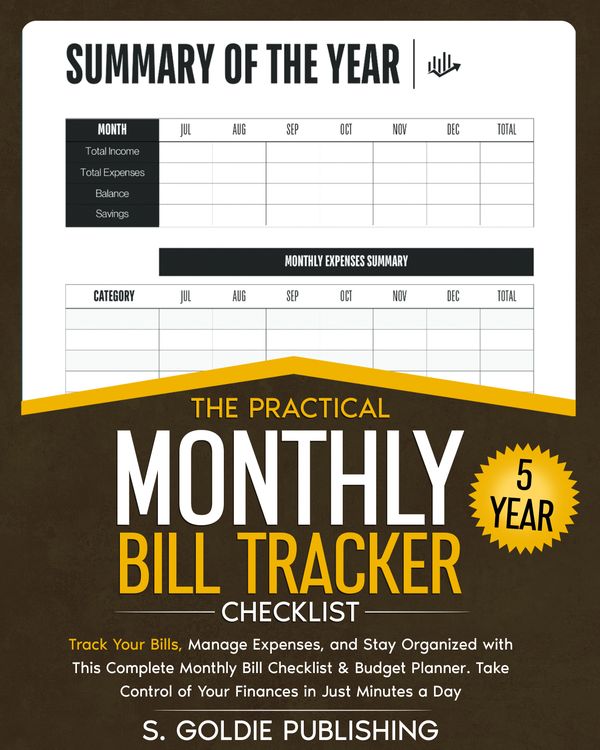
That is why strong business covers usually place the title in the center of attention. It is large, clear, and easy to read even at a small size. The design should support the title, not compete with it. If the title gets lost behind images, effects, or too many extra elements, the cover becomes much less effective.
 |
 |
 |
Business book cover design by Getcovers
Tip #2. Use typography that feels professional
Typography matters a lot on business covers because it shapes the first impression almost instantly. Clean sans-serif fonts work especially well here because they look modern, direct, and reliable. Bold weights and uppercase letters also often appear, since they help the design feel stronger and easier to scan.
That does not mean every cover needs the same font style. Some books can handle a softer or slightly more elegant look. Still, the type should always feel controlled and readable. When the typography looks too playful, too decorative, or too random, the book can lose credibility.
Tip #3. Keep the idea simple
A business cover does not need a complicated concept to work. In fact, one strong idea is usually better than several weaker ones. An arrow, a staircase, coins, a chart line, a road, a target, or a speech bubble can already say a lot. These visuals are familiar, which makes them quick to understand.
That is important because business covers are meant to send a clear message at a glance. When the design tries to show too many ideas at once, it often looks confusing. A simpler concept usually feels smarter.
 |
 |
 |
Business book cover design by Getcovers
Tip #4. Always check the thumbnail version
This is one of the most important tests for any business cover. Most readers will first see the book online, and often at a tiny size. On sites like Amazon, your cover has to stand out among many others and still be readable. If the text becomes blurry or the main idea disappears, the design is not working hard enough.
Before choosing a final version, shrink the cover and look at it as a reader would. Can you still read the title easily? Does the main visual still stand out? Does the cover still feel clean and professional? If the answer is no, the design may need fewer elements, stronger contrast, or better hierarchy.
Tip #5. Use contrast to grab attention
Strong contrast helps a business cover in two ways. It improves readability, and it gives the design more visual energy. That is why combinations like dark blue and gold, black and yellow, white and red, or navy and white work so well. They feel bold, clear, and intentional. They also help direct the eye exactly where it needs to go.
Contrast is not only about color. It can also come from large and small type, thick and thin shapes, or simple layouts with one striking focal point. When everything looks too similar in tone or scale, the cover can feel flat and easier to ignore.
 |
 |
 |
Business book cover design by Getcovers
Tip #6. Choose colors that fit the message
Color helps set the tone before a reader even starts reading. Blue often feels trustworthy and professional. Green can suggest money, progress, or stability. Yellow and gold are often linked with success, value, and optimism. Red adds energy and urgency. Black and white can make a design feel modern, clean, and serious.
The goal is not to copy a formula but to choose a palette that matches the book’s subject. A finance guide, a leadership book, a productivity title, and a mindset book may all belong to the same broad category, but they should not necessarily create the same mood. The colors should support the book’s specific promise.
Tip #7. Use visuals that people recognize right away
Business books often talk about abstract things such as success, discipline, confidence, growth, or transformation. Those ideas are not always easy to show directly, so strong covers often rely on visual metaphors.
Arrows, charts, coins, ladders, roads, steps, targets, and percentage signs work because readers understand them quickly. They do not need a long explanation. The meaning comes through almost instantly.
 |
 |
 |
Business book cover design by Getcovers
Tip #8. Create a clear hierarchy between the text elements
A cover becomes easier to read when each part of the text has its place. The title should usually come first. The subtitle should support it, not overpower it. The author’s name should also be visible, but it should not fight with the main message unless the author is already very well known.
A good hierarchy helps guide the reader’s eye in the right order. First the main promise, then the explanation, then the name. When all the text feels equally loud, the cover starts to look busy and less professional. A strong hierarchy brings order, and order works very well in the business category.
Tip #9. Leave enough breathing room
Not every part of the cover needs to be filled. Some of the strongest business covers look polished because they give the layout space. The title has room to stand out. The subtitle is not squeezed in. The main visual has a clear role, rather than getting buried under extra details.
This does not mean every cover has to be minimalist. You can still use illustration, photography, textures, or graphic elements. What matters is that the composition feels intentional and easy to process. When the cover has breathing room, it usually looks more confident and more premium.
 |
 |
 |
Business book cover design by Getcovers
Tip #10. Match the design to the kind of business book you wrote
Not all business books need the same visual tone. A book about investing might look sharper and more formal. A leadership book may benefit from a bold, commanding style. A productivity title can feel clean and structured. A confidence or mindset book may allow a bit more warmth, color, or personality.
The cover should reflect the kind of result the reader expects from the book. That is why the best business covers usually balance two things at once. They fit the market, so readers instantly understand the category, but they also have something specific that makes them feel fresh and memorable.
To wrap up
So, a selling business book cover does not have to be complicated. It just needs to communicate the right message right away. Readers should be able to look at it and feel that the book is professional, useful, and relevant to their needs. When the title is easy to read, the layout is clean, and the concept is clear, the cover already has a much better chance of doing its job.
Do you write business books or other nonfiction? What is your book about, and what elements would you love to see on the cover? Share in the comments.


